Essential New Zealand Albums: Dudley Benson – The Awakening
With his choirboy background and use of chamber instruments, Dudley Benson presented a unique artistic vision on his 2008 debut album The Awakening.

Some time in the mid-2000s, a singular piece of music found its way onto student radio and other playlists.
Consisting only of multi-tracked voices – like a one-person choir – The Awakening was a spooky song-poem: "a canon set in purgatory" as its author would later describe it.
The subject of the song 'The Awakening' was the 19th-century murderess Minnie Dean, known for transporting dead babies in hatboxes on trains and the only woman to have been hanged in New Zealand.

Dudley Benson – The Awakening

Dudley Benson in 2008
Karen Inderbitzen Waller
The subject of the song 'The Awakening' was the 19th-century murderess Minnie Dean, known for transporting dead babies in hatboxes on trains and the only woman to have been hanged in New Zealand.
This somewhat gothic track was my introduction to Dudley Benson, but it's only part of a wide artistic vision which was revealed in full with the release of his debut album of the same name.
Benson is an anomalous figure in the pop landscape of Aotearoa. The music he makes is a kind of pop, with hooks, choruses, generous melodies and intricately woven textures.
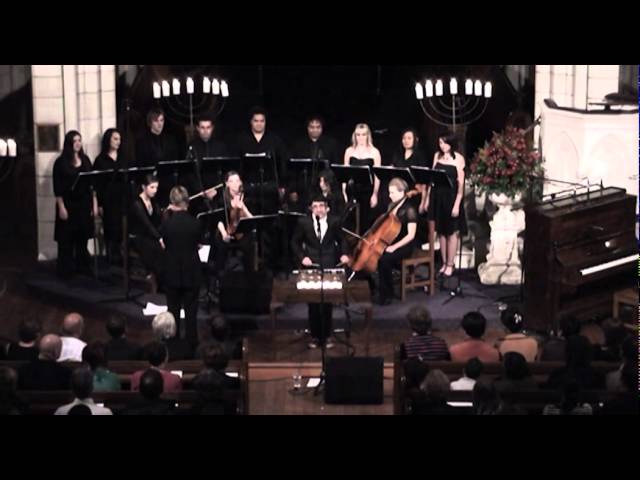
He grew up a pop fan - weaned on an older sister's collection of Kylie Minogue, Michael Jackson and Madonna records - but was also a choirboy, singing from age ten with the Christchurch Cathedral Choir, who would go on to study composition.
When it came time to make his first album, Benson drew on his classical training for what he says were essentially pragmatic reasons.
"In my head, I was making pop music, but I didn't have the experience or the tools of big synths and drum machines.
"Instead, it was about working with chamber instruments, piano, harpsichord, organ, celeste, and fleshing it out with choir and strings. I arrived at that sound world because that was what I knew, but it was pop music that I loved."

Dudley Benson in 2007.
Peter Stichbury
Dudley would also work extensively with composer Richard Nunns, who, along with Hirini Melbourne, was central to the revival in the 1980s of the long-dormant tradition of taonga pūoro (Māori instruments).
In The Awakening's introduction song ‘Asthma', Benson uses these to evoke the birdlife and other natural sounds of a rural Canterbury childhood.
But The Awakening is an album of two distinct halves.
The first half is sunny and bucolic and strewn with images of a childhood that is Arcadian and near-idyllic, roaming "the golden hills that cradle Canterbury".
The sense of place in these songs is very strong.
Dudley grew up in the Port Hills of Christchurch, and the images of the boy singing to himself and communing with his friends – "white quadrupeds eating lucerne leaves" – are full of charm.
But the album looks back even further, to his ancestral heritage.
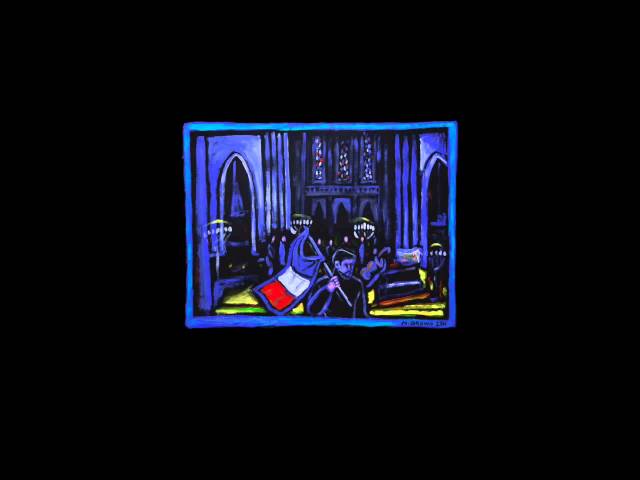
In ‘Willow', he sings of his great-great-great-grandfather, a celebrated colonial settler who travelled from Normandy to Akaroa on Banks Peninsula in 1836, bringing with him cuttings of willow trees from Napoleon's grave.
"I think that if the land is a reflection or a symbol of the experience of our lives, then it's going to be both nurturing and hostile.
"The land in The Awakening is symbolic of my upbringing and my close familial connections, and the deep sense of gratefulness to have a childhood that was semi-rural and allowed me to be really young but alone and connecting with hills and trees and a wide-open sky.
"Yet that was severed terribly by the suicide of my mother when I was 15, and life did become extremely hostile and difficult.
"Really, it's not just the land and how it is described on the record that represents what I was going through as a young person, but it's the whole record itself. I think every song on The Awakening in some way is trying to turn this torch on to understand the darkness of my life."
