What it's like learning to swim as an adult
When I went to swimming classes as most kids do in New Zealand it did not stick, so I went back as an adult, writes Nick James.
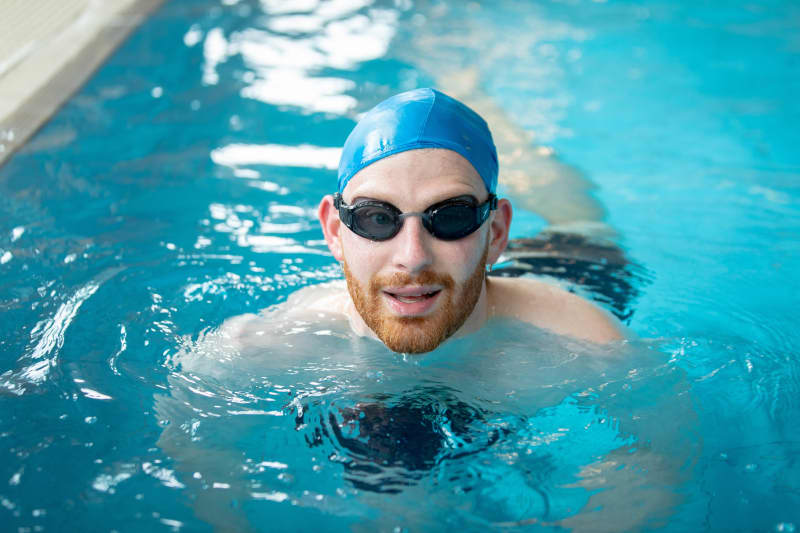
When I went to swimming classes as most kids do in New Zealand it did not stick.
I am not sure whether it was the dozens of kids running around while one teacher shows them how to make windmills with their arms or just a complete lack of an ability to follow instructions, but at the time it just did not work.
As I reached teenagerhood my lack of swimming skills dawned on me. When I would head to Himatangi Beach, west of Palmerston North, with my friends to jump in the waves, I realised how much confidence I lacked.
While my friends would swim out as far as they could, I would be stuck near the shore not having the ability to go beyond where I could not touch the bottom.
My lack of confidence was embarrassing, and while I liked the water throughout the rest of my teens and my early 20s, I would do my best to avoid experiences with my friends that involved swimming in deep water.
In February, I went on a trip with my girlfriend to Kaiteriteri where I somewhat embarrassingly doggy paddled a little bit away from the golden sands in the sheltered calm bay.
When I made it back to the picturesque beachfront which mirrored something you would see on a tourism website for New Zealand, a thought came across my mind.
How good would it be if I could swim with some confidence at most beaches? Pretty good, I thought.
So as February turned into March and Wellington's coast became too cold (for me) to swim in, I looked at what options were out there to get some swimming lessons.
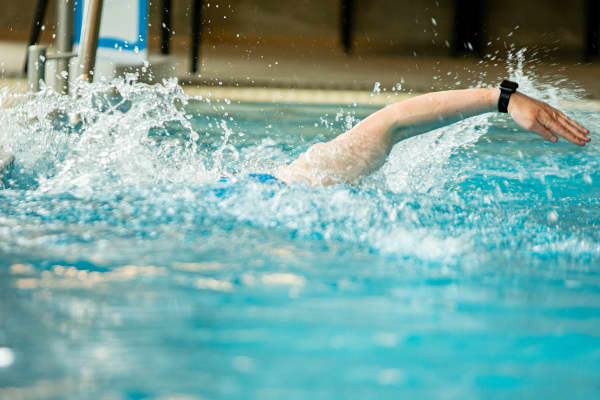
Learning to swim as an adult is important to keep yourself safe in the NZ environment, experts say.
RNZ / Mark Papalii
I landed on the local Wellington council lessons and about a week later I was at Kilbirnie Pool.
The first lesson showed me how little I knew. Sure, I could doggy paddle, but floating was weirdly hard. I would find myself needing to tap the bottom of the pool every now and then to keep my body from sinking.
Once I got the technique right which involved stopping the arching of my back, it made all the other strokes such as backstroke and freestyle easier.
Eventually I started to swim with some confidence, and it genuinely gave me a sense of achievement that I could learn a completely new skill.
Since that first lesson, I have moved up two classes in my chosen swim school and rather than learning survival skills, I am now swimming as an exercise most weeks (and to practice my technique).
Why is it essential to know how to swim as an adult?
Wellington City Council aquatics manager Matt Kilgour told RNZ learning to swim as an adult is important, particularly for those wanting to feel comfortable in the water during summer.
"There's different water environments in New Zealand. You've got the lakes, the rivers, the sea, the pool environment, and they are all different with their own different challenges."
For example, Kilgour said people in the ocean face rips and depth drop-offs, whereas in the river, swimmers meet fast flowing water.
Water Safety NZ interventions manager Esther Hone told RNZ New Zealand was a country full of aquatic environments, so it was important to get lessons, particularly for those with a family.
"It is just so important for you to be able to feel confident for when things go wrong."
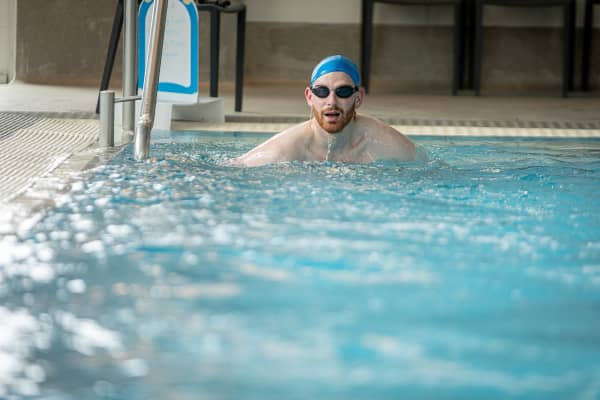
Learning to swim never worked for Nick James as a child.
RNZ / Mark Papalii
Hone said if someone was to fall into the water suddenly, they needed to know how to keep themselves safe which included learning to float for an extended period.
She said it was never too late for people to learn to swim.
"The best thing you can do for yourself is to practice floating and, you know, investigating into your communities where you could go to be able to learn to swim etc.
"In the end I think it is more important [to think] about what you need to do for yourself rather than worry about what other people are thinking."
What are the barriers to learning to swim as an adult?
Hone said it was often harder for adults to learn to swim than kids.
"You have had a longer length of time learning what fear is, being hesitant to do anything, so you sort of have to get through those barriers to make you feel confident and comfortable in the water."
Kilgour said one of the things which stop people from taking lessons was embarrassment of skills and body image concerns people have for themselves.
"In reality, nobody judges, nobody cares. We are here to learn to swim, and we are here to coach and teach and that's all that matters."
He said a lot of the council pools where lessons occur were separate from the main pools to combat those concerns people have.


