Do you need an admin party to get your life back in order?
Feeling buried under passwords, paperwork and perpetual hold music? As the mundane tasks of modern life pile up, could this be the antidote?
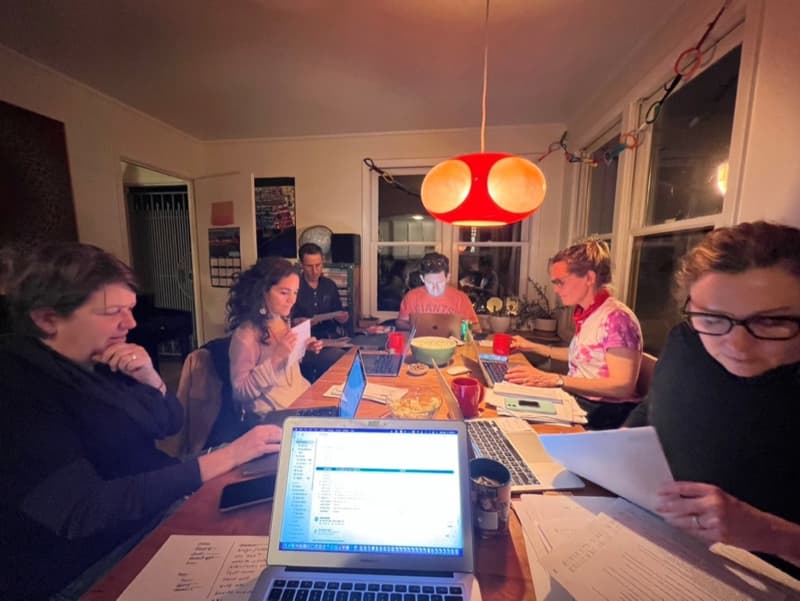
"We're always behind on something. We're always juggling too many things. We're always trying to deal with some company that we need to remember the password for their portal, or we need to dispute an insurance claim ... or we need to wait on hold for a thousand hours for something and then get disconnected and start all over again."
American journalist Chris Colin had struck a nerve. So when he suggested gathering friends to party and do life admin, they found it funny but weren't surprised. He has a reputation for quirky ideas.
Seven years later, there's now a waitlist and, after writing about it for The Atlantic and The Wall Street Journal last year, the concept has gone viral.
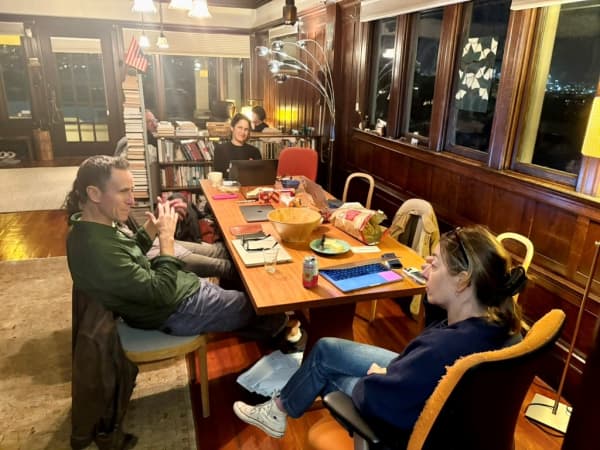
Having a few minutes break in between for socialising is important too, Chris Coin says. It has to be fun.
Supplied / Chris Colin
"It caught on immediately," he told RNZ. "People realised it wasn't just a productivity hack. It was fun. In some ways it was more fun than a cocktail party, because you don't have to talk for two hours straight."
When Colin listed the tasks people could tackle - everything from benefit forms, insurance disputes, glitchy websites to forgotten passwords - friends felt seen.
"They were like, 'oh yeah, we don't really talk about this stuff because it's so small and so boring and mundane, but this stuff really has started to add up to a lot'."
Why it's catching on
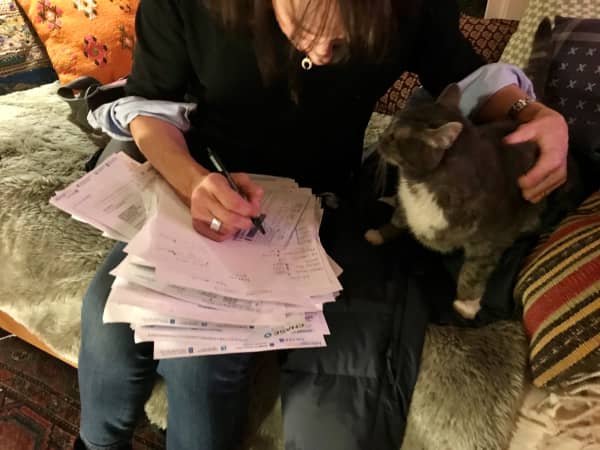
You can centre your admin night on a theme that suits you and your friends, Chris Colin says.
Supplied / Chris Colin
Colin believes the idea resonates because the promise of digital convenience has fallen flat.
"It's not just that we have less and less free time, it's that our basic faith that the system works is diminishing. So I think that's why it's catching on now."
Add what he calls a loneliness epidemic and a broader "fun crisis", and the appeal becomes clearer.
"It seems crazy to me that on a Tuesday night, I could be two blocks from a friend and we wouldn't go out for a beer or have each other over for dinner," he says.
"Especially now that the world is falling apart at the seams, we need more joy in our lives."
Ultimately though, his "secret agenda" is to raise awareness to where our precious time is going.
"To wake up to what's happening in modern life. To wake up to what these companies are doing to us. To wake up to how overloaded we are. To wake up to how this isn't necessarily how we want things to be arranged, and to start pushing back."
The mental load
Wellington mother-of-two Nicole Retter understands the pressure. In 2021, emerging from Covid lockdowns while caring for an injured husband and starting a new job, she felt crushed by family logistics. The experience led her to create PAM, a chart-topping app designed to help households manage their admin.
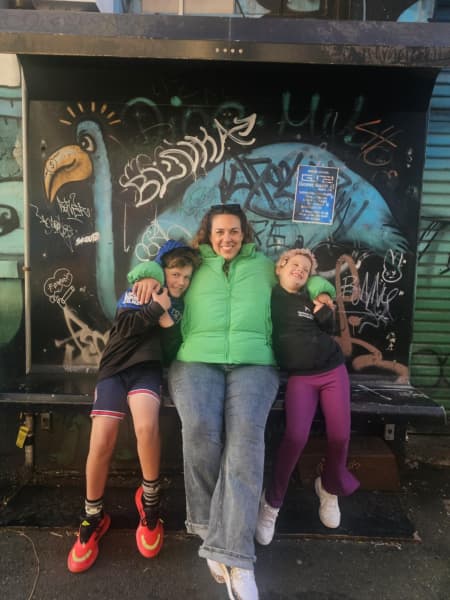
Nicole Retter with her children.
Supplied / Nicole Retter
The overwhelm was felt even amongst her most capable friends, she says.
"Like, what kid needs what for school today, who's got sport, where, what field, coordinating between partners, calendars, who's picking up, who's dropping off. And that was actually having a really, really big impact on people."
Though she hadn't heard of admin parties before we spoke - as someone with ADHD she immediately drew parallels to "body doubling", which she's found helpful.
"Body doubling is all about where you have someone else doing something alongside you, and it motivates you to be able to do the tasks that you didn't want to do.
"So, I think the idea of going, 'actually, we're going to have a coordinated time where we all get together and basically body double each other to do these tasks' is amazing."
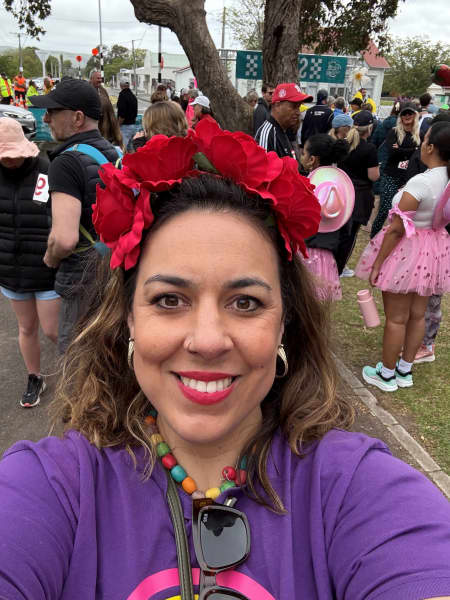
PAM co-founder and chief executive Nicole Retter's app number two in the Apple App Store Lifestyle rankings in New Zealand in 2025.
Supplied / Nicole Retter
It can also open the door to deeper conversations, she says. For example, a doctor's appointment prompting talk of health worries or school forms leading to a debrief on how the kids are.
The 'science' behind it
Denise Quinlan, director of the NZ Institute of Wellbeing and Resilience, sees admin parties, as a new label for an old idea. It echoes older communal traditions - students studying together, Irish meitheal groups and Amish barn-raisings.
"I feel like this could be the hack for me. I've got a friend who is a complete admin whiz. I think I might ask her if I can go and sit next to her and do my awful admin...
"I'm the person in my house who will repair broken things, like lawnmowers or any machinery. But you ask me to do anything that involves saving passwords and repeating them, and I hate it. I might become this short-tempered, angry person who feels very kind of humiliated, biased."

Denise Quinlan, the director of the NZ Institute of Wellbeing and Resilience, is on board the idea of an admin night party.
Supplied / Jesse Marsters
The potential benefits of admin parties include reduced isolation, shared accountability and mutual support, Quinlan says. Being together reminds us we are supported and valued at a time when we could be feeling inadequate.
"So when you are sitting on your own, beating yourself up about not doing your admin and hating it and feeling like you can't, you tend to think you're the only person in the world like that ... Whereas when you connect with people, you realise you're not alone."
Far from killing the vibe, Quinlan believes admin parties may enrich social life.
"At the moment, most people don't have a sense of free time. They don't meet up in the evening because they're busy at home, not doing the admin they said they were going to do and beating themselves up about it. So if instead they actually get friends around, it's probably going to be a double whammy."
How to throw an admin party
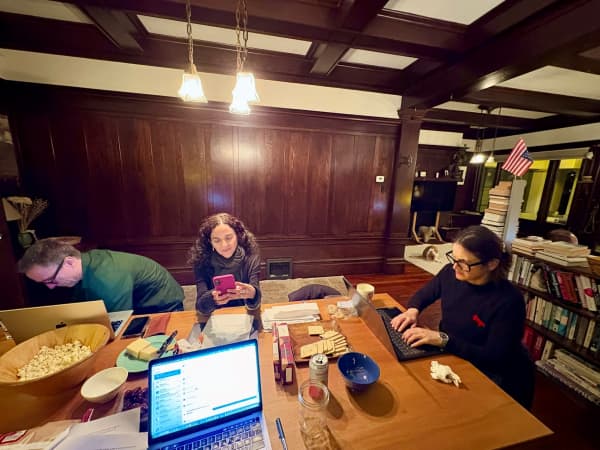
Good snacks and beverages helps entice people too, Chris Colin says.
Supplied / Chris Colin
Journalist Colin encourages good snacks, beverages and light-heartedness (so no politics chat). Start with a quick catch-up, tackle 30 minutes of admin, then socialise again for a few minutes and repeat as needed. Introverts needn't worry; you're not talking the whole time.
He hosts his on weekdays only - "weekends are holy" - and bans actual paid work. Themes are welcome; one friend dedicated a night to end-of-life paperwork. He runs his roughly monthly, but it has fluctuated in the past.
You could even come up with a name - "the getting shit done and having fun group", Quinlan jokes.
For parents leading busy lives, PAM co-founder Retter suggests you could start with holding one with your partner instead of friends.
"That is like the life goal is share the mental loads, you know? And instead of me guessing what your preferences are, we have that discussion. If your preference is to go to the doctors at 8pm or 2pm or whatever it is, I can have that conversation with you and we can make that decision."
At the end of each gathering, Colin and his friends share what they've finished or learned - and clap and cheer for one another.

